Welcome to our website!
Hotline: 177-1262-3841
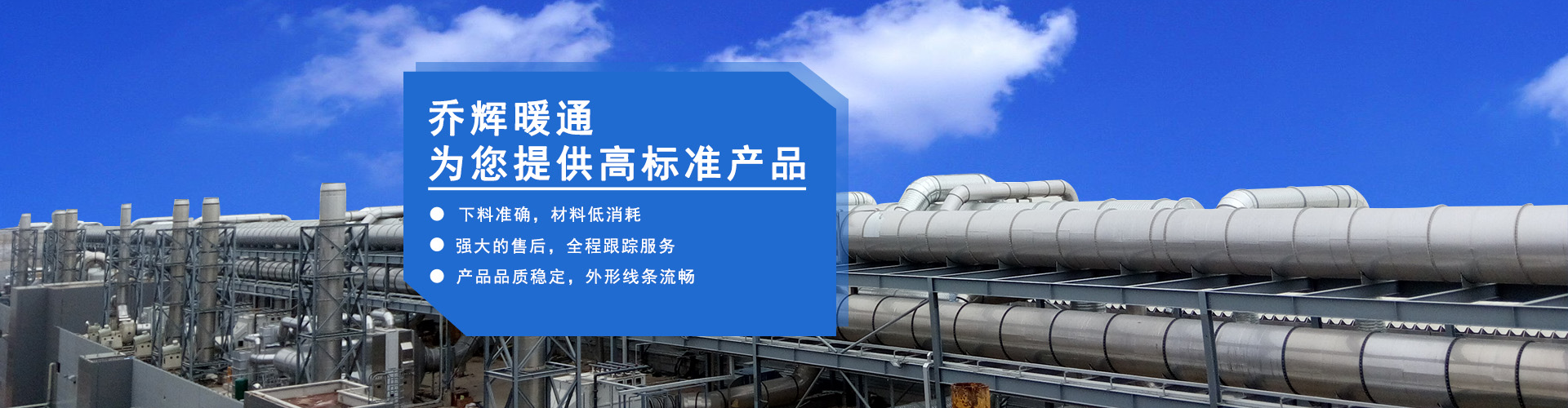

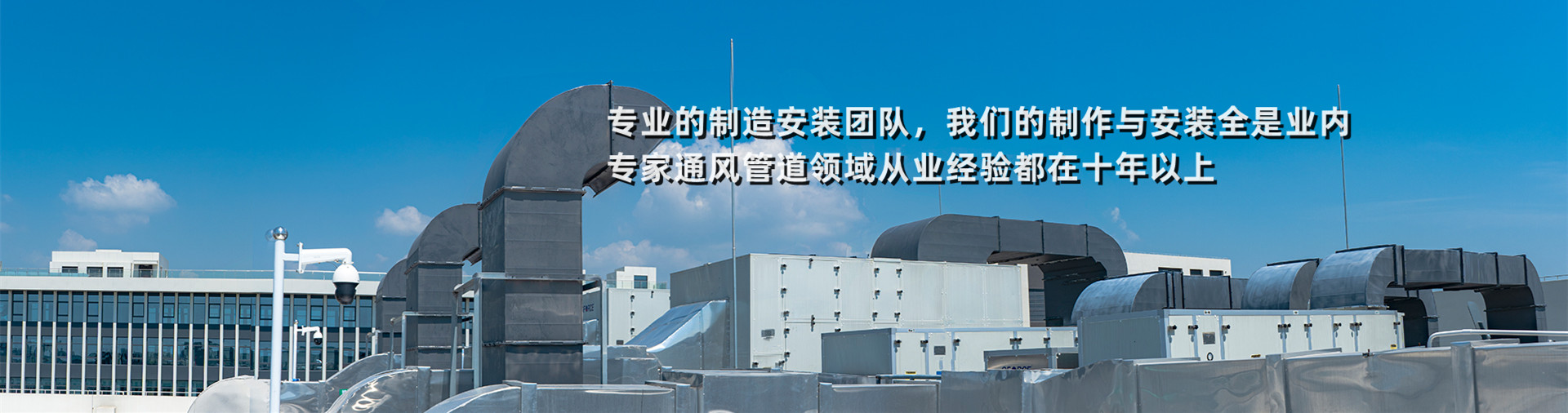
What are the functions of installing stainless steel duct in environmental protection ventilation project of Suzhou Resin Processing Plant?
In the environmental protection ventilation project of Suzhou resin processing plant, stainless steel air duct, as the core ventilation component, not only plays a role of "conveying airflow", but also deeply matches the production characteristics, environmental compliance requirements and safety production requirements of resin processing. Volatile organic compounds (VOCs), dust and irritating gases (such as benzene and aldehydes) are often produced during resin processing, and there are risks of high temperature, humidity or chemical corrosion in some links. With the material characteristics, stainless steel duct can solve the ventilation problems in these scenes, and its specific functions can be divided into the following five core dimensions:
First, adapt to the resin processing scene: collect and transport pollutants efficiently.
Resin processing (such as resin synthesis, mixing, molding, curing, etc.) will continuously release VOCs and dust. If it spreads to the workshop or surrounding environment, it will not only violate environmental regulations, but also endanger the health of employees. The core function of stainless steel duct in this link is:
Accurately collect pollution sources: by cooperating with gas collecting hood, suction arm and other equipment, it can be close to pollution sources such as resin reaction kettle, mixing tank and production line, effectively capture volatile organic waste gas and suspended dust, and reduce unorganized emission of pollutants in the workshop.
Stable transportation to the treatment end: the inner wall of the air duct is smooth (the roughness is much lower than that of iron sheet, glass fiber reinforced plastic, etc.), and the wind resistance is small, which can ensure that the airflow containing pollutants can be transported to the subsequent environmental protection treatment equipment (such as activated carbon adsorption tower, RTO incinerator, spray tower, etc.) stably and without detention, so as to avoid the "backflow" of pollutants caused by poor airflow.
Second, to withstand harsh working conditions: corrosion resistance, high temperature resistance, and extend the life of the project.
The resin processing environment requires extremely high "tolerance" of air duct materials, and the material advantages of stainless steel (especially 304 and 316L models) are highlighted here, which are embodied in the following:
Chemical corrosion resistance: the resin itself (such as epoxy resin, unsaturated resin) and the solvents used in processing (such as acetone and xylene) are corrosive, and ordinary carbon steel air ducts are easy to be corroded, rusted and have holes, resulting in waste gas leakage; Stainless steel air duct can resist the corrosion of these chemical media, and avoid the potential environmental hazards and frequent replacement costs caused by damaged air duct.
High temperature resistance and moisture resistance: some resin curing links will generate certain heat (the temperature can reach 60-120℃), and there may be a humid environment in the workshop due to cleaning and condensation. The stainless steel air duct can resist high temperature (the long-term use temperature of 304 stainless steel can reach above 400℃), is not easy to get wet and rust, can adapt to the temperature fluctuation and humidity change of resin processing, and reduce ventilation failure caused by material aging.
Anti-dust abrasion: resin powder (such as calcium carbonate and talcum powder for filling) may wear the inner wall of the air duct during air flow transportation. Stainless steel has high hardness and strong abrasion resistance, which can prevent the air duct from thinning due to abrasion and prolong the overall service life of ventilation engineering (usually, the service life of stainless steel air duct can reach 10-15 years, which is 2-3 times that of ordinary air duct).
Third, ensure environmental compliance: reduce leakage and reduce emission risks.
Suzhou, as an area with strict environmental supervision, resin processing plants should strictly abide by the unorganized emission control standard of volatile organic compounds (GB 37822-2019) and other laws and regulations, and stainless steel air ducts are the key guarantee to achieve environmental compliance:
Excellent sealing performance: the sealing performance of stainless steel air ducts (such as flange connection and welding connection) is much better than that of traditional iron air ducts (which are easy to leak due to corrosion of joints and aging of sealant), which can effectively prevent the air flow containing VOCs and dust from leaking during transportation and avoid being punished by the environmental protection department for "unorganized emission exceeding the standard".
It is convenient for environmental monitoring and traceability: the inner wall of stainless steel air duct is smooth, and it is not easy to accumulate dust and residual pollutants, which not only reduces the adsorption deterioration of pollutants in the air duct (avoiding secondary pollution), but also facilitates the environmental protection department to monitor the composition and concentration of air flow in the air duct to ensure that the pollutants discharged into the atmosphere meet the local environmental protection emission standards in Suzhou (such as VOCs emission concentration ≤ 60 mg/m).
Fourth, ensure production safety: fire prevention, anti-static, and reduce the risk of accidents.
VOCs (such as benzene and toluene) in resin processing are mostly flammable and explosive substances, and dust (such as resin powder) may also reach the explosion limit. Stainless steel air duct can reduce the potential safety hazard from the material level:
Outstanding fireproof performance: stainless steel belongs to incombustible material (the combustion performance grade is Grade A), even if the air flow temperature in the air duct is too high or meets an open flame, it will not help combustion or release toxic gas, so as to avoid aggravating fire accidents due to air duct combustion (compared with the defects that plastic air duct is easy to burn and glass fiber reinforced plastic air duct releases toxic gas at high temperature).
Anti-static can be realized: by grounding the stainless steel air duct, the static generated by airflow friction can be conducted away in time to avoid the explosion of VOCs gas or resin dust caused by static accumulation, especially suitable for the links that are easy to generate static, such as resin powder mixing and transportation.
Fifth, reduce the operation and maintenance cost: easy to clean, low maintenance, suitable for industrial scenes.
The operation and maintenance cost of ventilation system in resin processing plant directly affects the production efficiency, and stainless steel duct has obvious advantages in "maintainability":
Easy to clean and reduce blockage: the inner wall of stainless steel is smooth, and it is not easy to attach resin dust and viscous pollutants (such as uncured resin liquid). It can be cleaned only by washing with high-pressure air or clear water every day, so as to avoid the decrease of ventilation and equipment overload caused by the accumulation of materials in the air duct (compared with the rough inner wall of FRP air duct, it is easy to accumulate materials, and it is difficult to clean).
Low maintenance frequency: Stainless steel air ducts are corrosion-resistant and anti-aging, and there is no need to brush anti-rust paint regularly like iron air ducts, and there is no need to replace parts damaged by corrosion and wear frequently, which can greatly reduce the annual maintenance cost and downtime of ventilation projects.
Summary: "Irreplaceability" of stainless steel air duct
For Suzhou Resin Processing Factory, stainless steel air duct is not a simple "ventilation duct", but a core component that takes into account * * "environmental protection standards, safe production, long-term stability and low-cost operation and maintenance". Its function ranges from efficient collection and transportation of pollutants, to adapting to harsh working conditions such as corrosion and high temperature, to ensuring environmental compliance and production safety, and finally aims at reducing the comprehensive operating cost of enterprises and completely matching the special needs of the resin processing industry, so it has become the first choice for air duct materials in environmental protection ventilation engineering.